


Simple, Strong, Repairable: A Building Envelope Philosophy for Healthcare
Updated: Jun 24
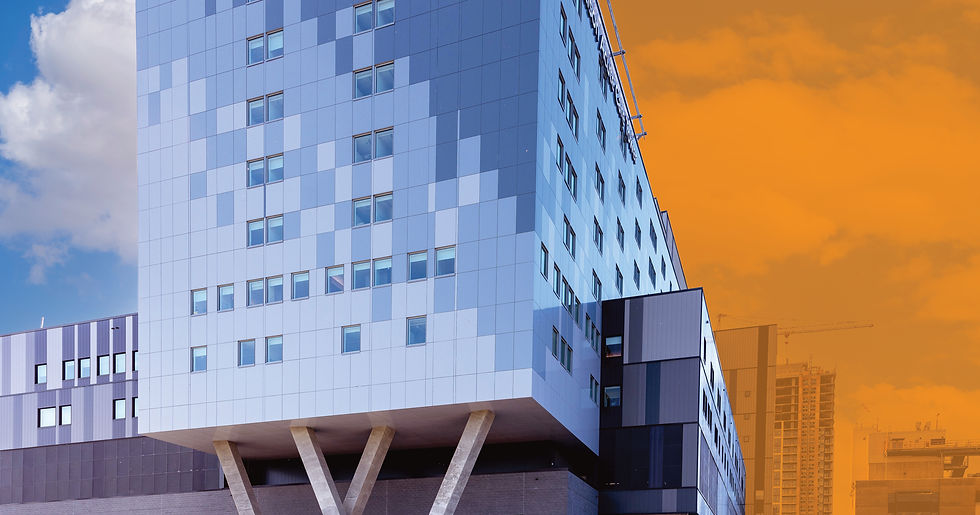
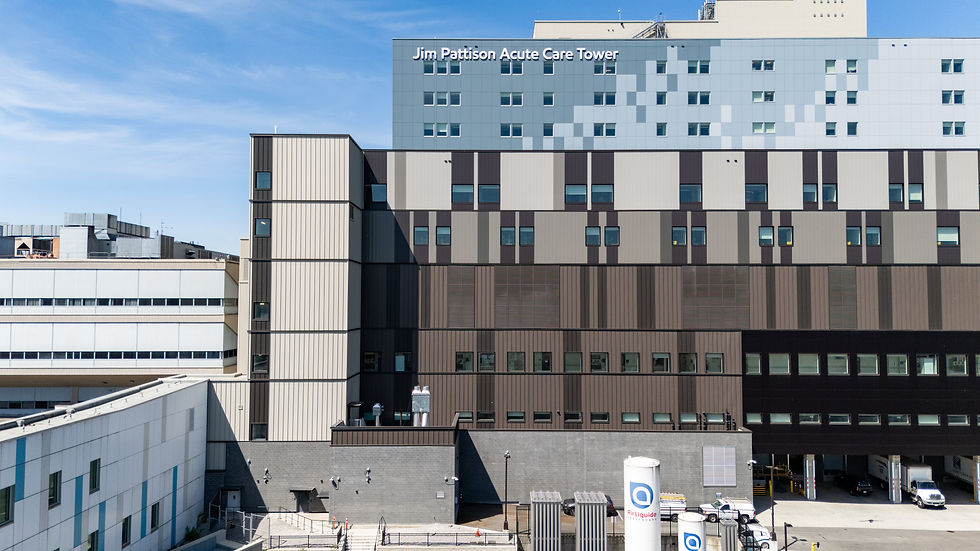
The opening of the Jim Pattison Acute Care Tower at Royal Columbian Hospital in New Westminster marks a major milestone in Fraser Health’s ongoing investment in expanding access to specialized care across British Columbia.
Developed in response to growing capacity pressures at the existing hospital and the need to modernize aging infrastructure, the new 10-storey, 388-bed facility consolidates emergency, inpatient, cardiac, intensive care, and surgical services on one site, expanding capacity and supporting improved patient care.
Entuitive is proud to have contributed to this milestone alongside a dedicated team of collaborators. We spoke with Colin Maxwell, Intermediate Building Envelope Specialist, to explore Entuitive’s role, key challenges, and the factors that shaped the project’s success.
EN: Can you walk us through the project, Entuitive’s role, and who you collaborated with?
Colin: This project involved the delivery of a new acute care tower as part of a major hospital redevelopment, tying into an existing facility. Entuitive acted as the building envelope consultant and was also involved in commissioning, which meant we were engaged from design through to performance validation. We had input into how the envelope was designed, constructed, and how it will perform over time.
We worked closely with EllisDon as the design-build contractor and HDR as the architect, with strong coordination across teams throughout the project. I was on site often, and the level of collaboration and communication really stood out. It was a collective effort from a highly engaged team.

EN: What were some of the key challenges you encountered, and how did the team approach them?
Colin: Hospital projects come with a high level of complexity due to the number of systems and performance requirements. The biggest challenge was making sure everything was right the first time. This building may not appear complex in its massing but it has to perform reliably without interruption.
Our focus was on delivering clear, practical solutions quickly to support the design team. We kept assemblies straightforward and avoided unnecessary complexity, which helped ensure project details were buildable, durable, and aligned with the project’s performance needs.
EN: What was Fraser Health trying to solve, and how did the envelope work serve that?
Colin: Fraser Health was ultimately trying to address an urgent need for more beds, staff space, and overall capacity. The envelope work played an important role in enabling the building to be completed on schedule, so it could begin serving the community as quickly as possible.
There is a real urgency with hospital projects, where timelines are closely tied to immediate healthcare needs. Meeting those deadlines was critical, and it is rewarding to see the tower now supporting patients, doctors, and nurses in a fully operational environment. It reflects the effort and coordination of all teams involved.

EN: Were there specific building envelope strategies that played an important role in performance?
Colin: The approach was to keep things simple, strong, and repairable. These buildings are designed to last, and if something does need attention, it should be easy to address quickly without relying on complicated solutions. Where possible, we selected assemblies that can be repaired in hours rather than weeks, which is critical in a 24/7 healthcare environment where downtime directly impacts operations.
EN: How was Entuitive involved in testing and validating the envelope systems?
Colin: Our role included thermographic reviews, as well as witnessing window and roof testing. This level of involvement gave us a clear understanding of how the assemblies were performing, allowing us to confirm they met the design intent from start through to completion.

EN: Looking back, what stood out most to you about working on this project?
Colin: The collaboration stood out the most. We developed strong working relationships across the team, and there was a lot of direct communication, quick calls, and real-time problem solving.
It was also a large, high-stakes project, which created a fast-paced and engaging environment. That combination of scale, challenge, and teamwork made it a very rewarding experience.
Connect with Entuitive to learn more about our building envelope services.
