


Supporting Resilient Infrastructure in Burnaby: Goring Pump Station Relocation
Updated: Sep 23
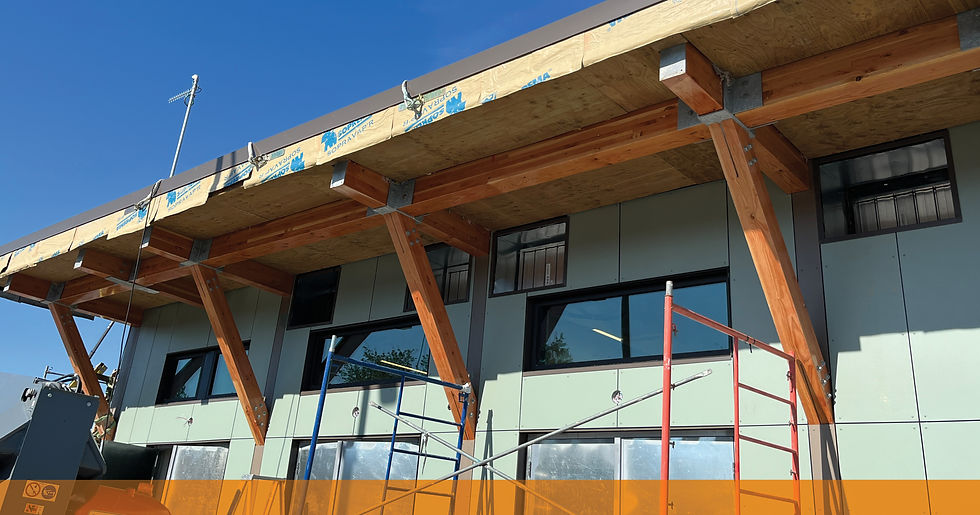
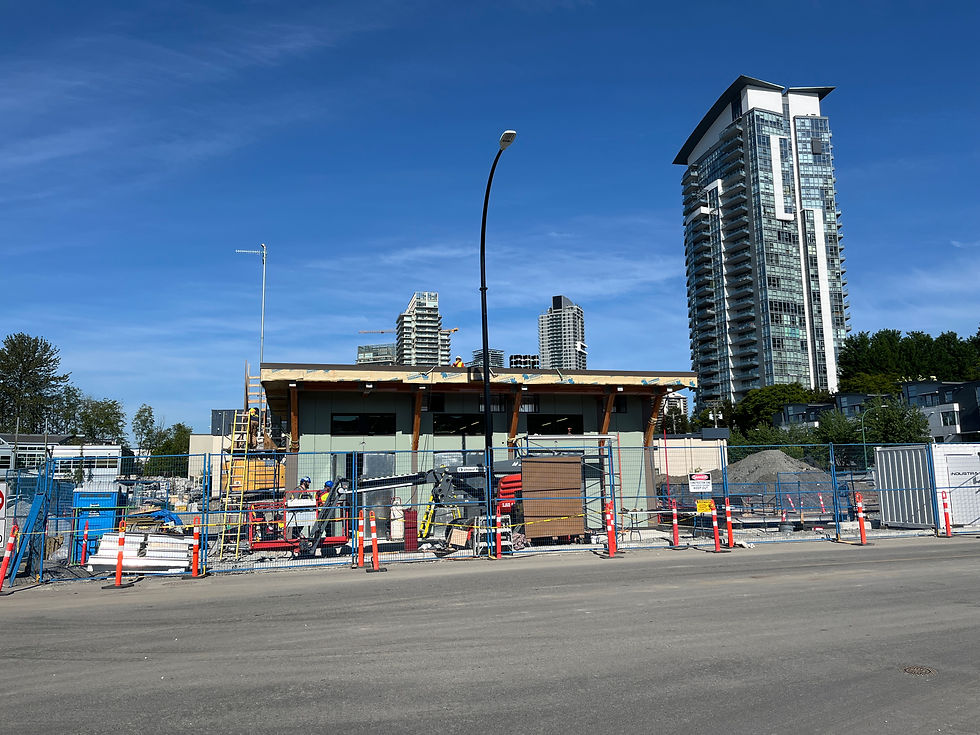
The City of Burnaby is relocating the Goring Pump Station as part of a broader design-build initiative to replace critical post-disaster infrastructure and ensure long-term resilience for essential municipal services. As a vital piece of infrastructure, the facility requires an exceptionally high level of performance, particularly in a high-seismic region where reliability is paramount. Once complete, the new pump station will help support reliable wastewater services, strengthen public safety, and enhance the community's ability to withstand and recover from future emergencies and seismic events.
We connected with Structural Engineer Hannah To, who shared insights into Entuitive’s role on the project and how the team is supporting delivery through close coordination. The project presents a range of technical challenges that involves designing critical infrastructure in a high-seismic region while supporting the efficient delivery of essential municipal services.
ENtuitive: Can you tell us a bit about this project and what it’s aiming to achieve?
This project is part of a larger infrastructure program supporting the City of Burnaby’s long-term servicing needs, with the relocation and construction of a new pump station being part of its scope.
We’re working as part of a broader consultant team, including Francl Architecture, Parsons, AME Consulting Group, and AES Engineering, with Entuitive responsible for the structural and building envelope design.
My role has involved supporting technical design, coordination, project management, and construction administration. This has helped maintain continuity from early design through to completion construction.
EN: What were some of the key challenges on the project, and how did the team approach them?
Since this is an important piece of infrastructure for the City of Burnaby, it’s designated as a post-disaster facility. This means that the design needs to ensure the structure remains operational following a major climate event. That drives many of our decisions and requires a more rigorous approach to performance.
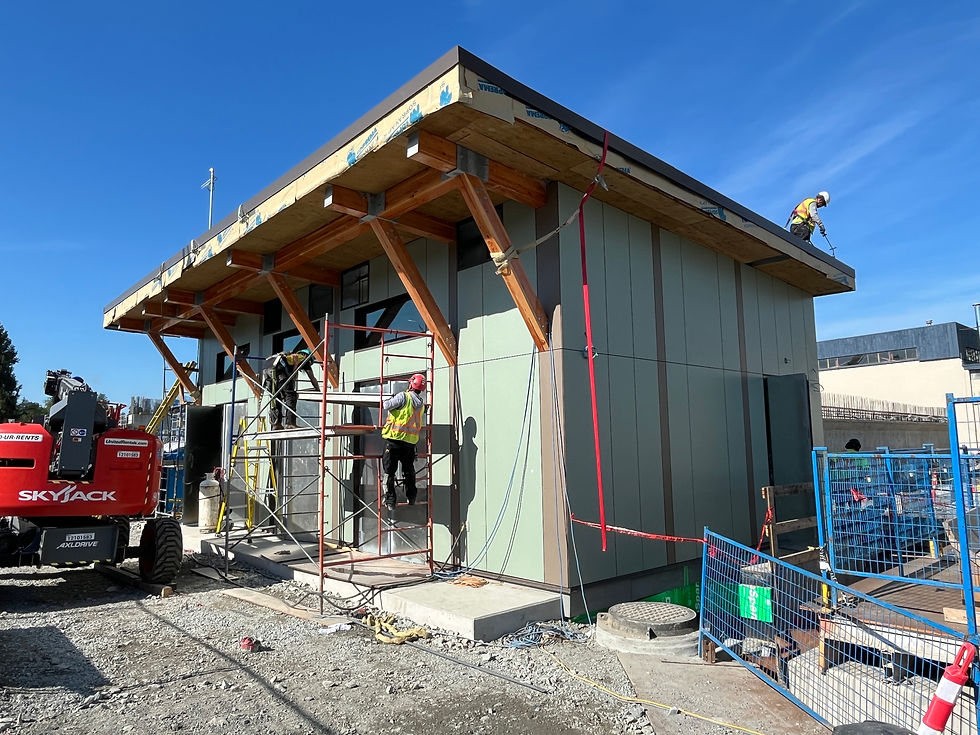
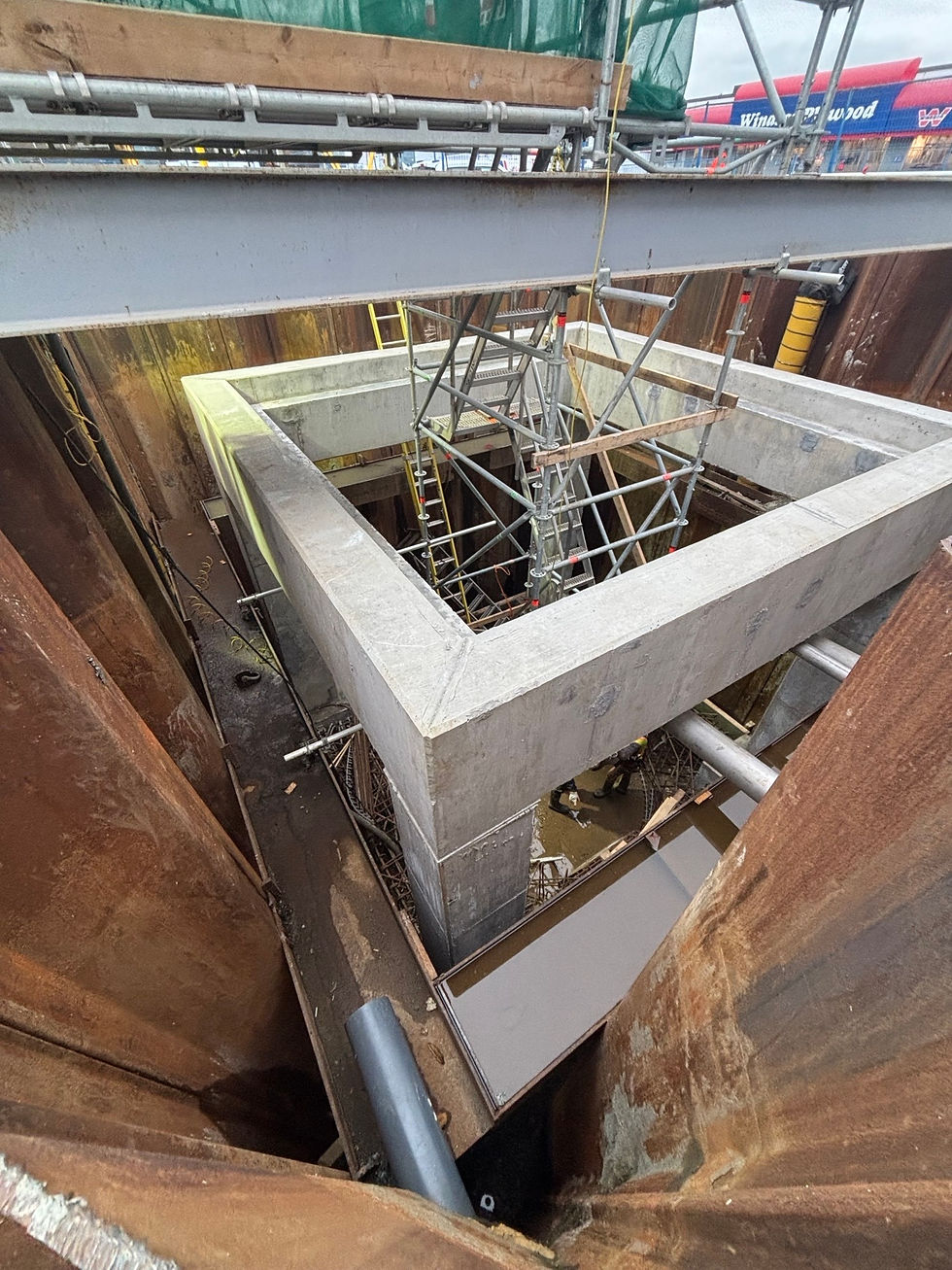
The site itself also presents challenges, including a high seismic environment and complex geotechnical conditions with liquefiable soils. The pump station includes both an above-grade structure and a below-grade wet well that’s almost 40% of the size of the building, which adds to the complexity.
A key part of our approach has been working closely with the geotechnical consultant to refine design parameters. Through modelling and detailed pile analyses, we’ve been able to better understand soil-structure interaction and develop solutions that are both efficient and aligned with the project’s performance requirements while avoiding overdesigning.
EN: How did coordination across the broader team contribute to the project’s success? Coordination has been a big part of the work. The structure incorporates multiple materials including concrete, structural steel, and glulam. This means that there is significant coordination required across designs, connections, and trades to ensure everything comes together properly.
As part of a larger infrastructure project, we’re also working with a wide range of stakeholders. Clear communication and strong coordination have helped ensure that design intent is maintained and that the project continues to move forward smoothly.
EN: Has working within a larger infrastructure program changed how you approach your work? Yes, it has. Even though our scope is focused, the scale of the overall project influences how we collaborate and make decisions. There’s a greater emphasis on coordination, communication, and understanding how our work fits into the broader project objectives. It’s been a valuable experience in adapting to a delivery model that requires both technical focus and awareness of larger project priorities.
EN: What has been most rewarding about working on this project?
It’s been rewarding to contribute to a project that will play an important role in supporting essential infrastructure for the City. I’ve also really valued the opportunity to work within a large, multidisciplinary team. Seeing how different groups come together to solve challenges and keep the project moving forward has been a great learning experience.