
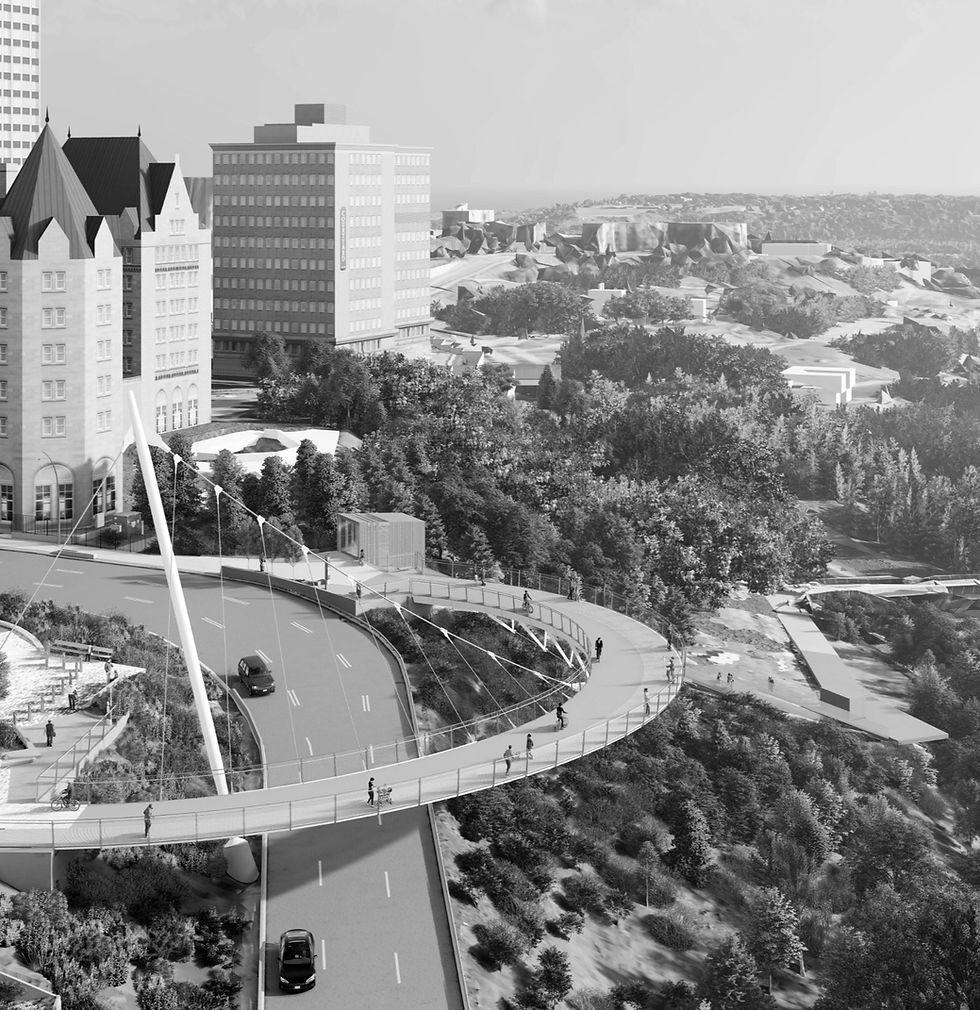
Revitalizing Outdoor Edmonton - William Hawrelak Park Rehabilitation
The William Hawrelak Park Rehabilitation Project in Edmonton sought to address the park’s aging infrastructure, utility, transportation, and open spaces needs. The infrastructure had exceeded its lifespan and required major repair, replacement, and upgrading to remain operational and meet current and future demands. The City of Edmonton engaged Entuitive to provide structural and building envelope services for the project.
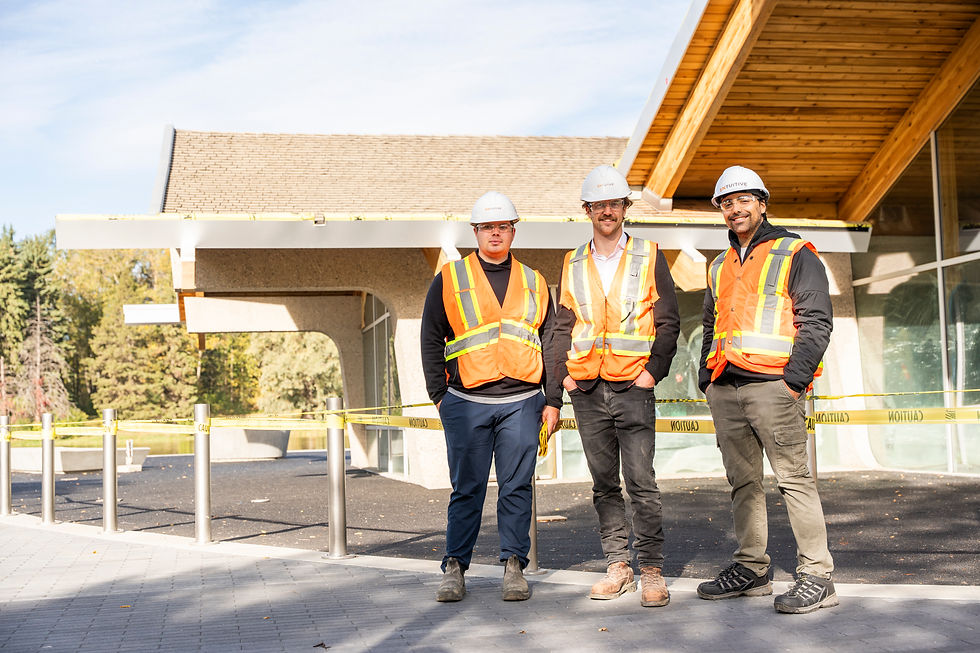
We sat down with Colby Thompson, Associate and Sarika Nahal, Senior Building Envelope Specialist to discuss this transformational project for the City of Edmonton.
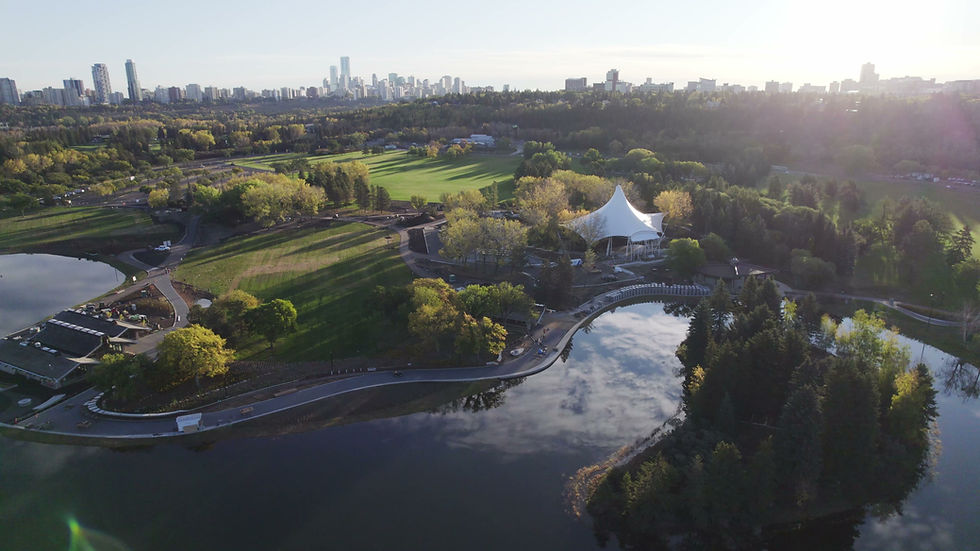
William Hawrelak Park Rehabilitation Project for the City of Edmonton
ENtuitive: Thanks for taking the time to meet today! Can you tell us about this project and what it involved?
Colby: We’ve been involved in this high-profile project since its planning stage in 2017, when the City of Edmonton finalized its capital planning. During that time, we conducted a comprehensive building condition assessment on the park’s infrastructure, which served as a key foundation for defining the project’s scope in terms of rehabilitation and future development.
Following City Council’s approval of the capital plan, the City selected a consultant team to initiate the design process, beginning with the pre-design phase. Our in-depth knowledge of the facilities gave us a significant advantage in contributing to key project decisions. We remain actively involved with the project, with construction expected to finish by Spring 2026. Plans to reopen areas of the park could allow the public to start visiting again in the upcoming weeks!
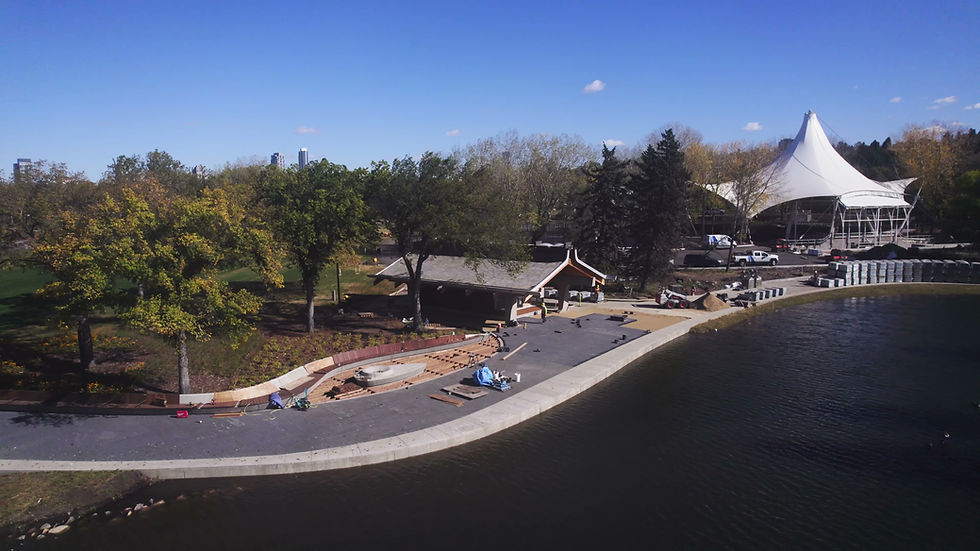
The project involved upgrading or replacing the facilities and the addition of new buildings and structures. The existing facilities included more than 15 different buildings and structures with unique functionality, construction, age, and requirements for renewal and improvement. Additionally, several new amenities and buildings were proposed to support current needs and future growth. These new structures also introduced unique design and construction challenges that required innovative, tailored solutions.
Main Pavilion and Patio Design
EN: Can you tell us about some of the challenges you experienced and their solutions?
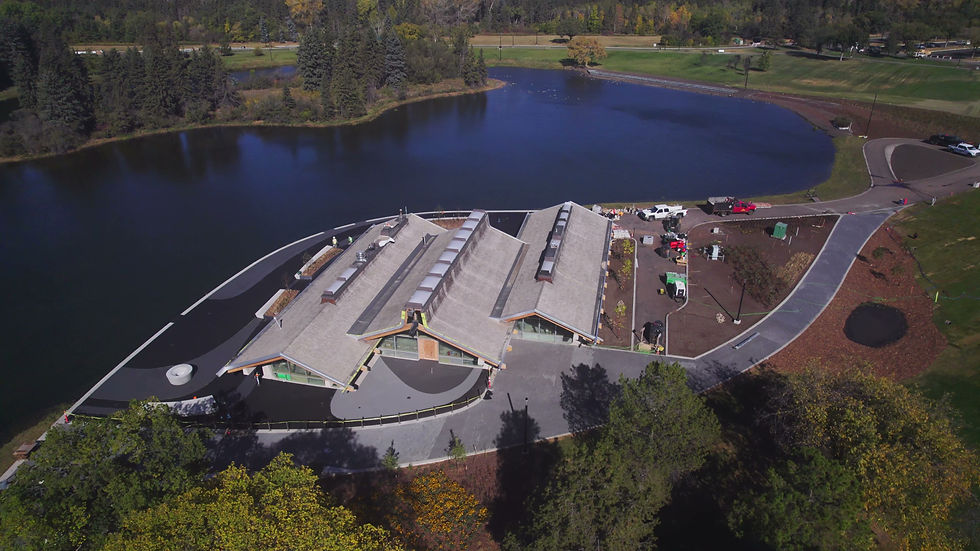
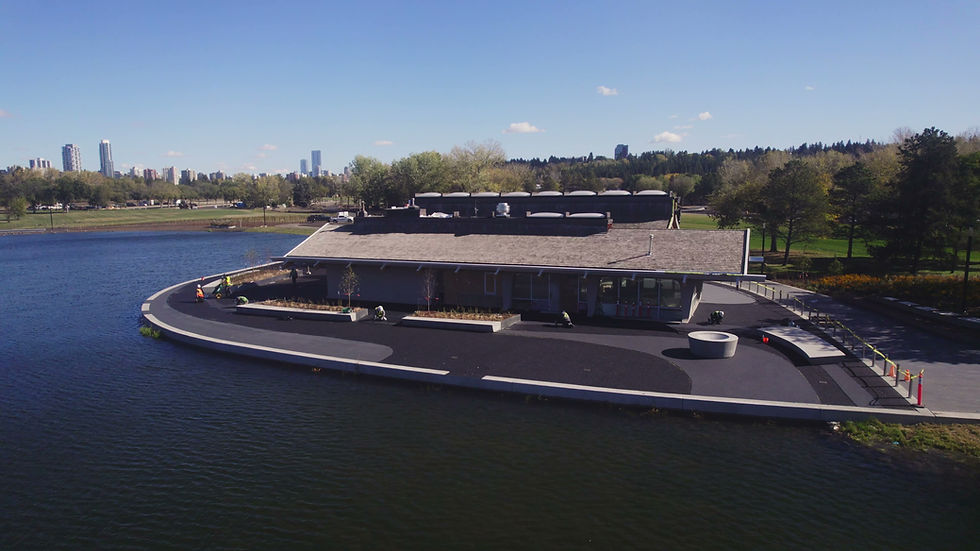
Colby: The outdoor patio of the park’s main pavilion presented the most complex design and construction challenges for our team. Expanding and improving the existing patio was one of the City’s key priorities.
During the schematic design phase, our team identified significant structural deficiencies in the patio foundation. Following a thorough investigation, including underwater inspections, the project team accepted our recommendation to move forward with a full replacement of the patio. This approach addressed structural issues, facilitated expansion, and integrated new amenities, such as green space and a fireplace.
Building Envelope for Park Facilities
EN: What were some of the building envelope objectives for this park’s rehabilitation?
Sarika: Assessing existing buildings and new construction were significant objectives during the investigation phase of the project. We were mindful to ensure that we preserved some of the historical character of the facility, especially where we’re rehabbing a building envelope to look brand new.
We had to investigate whether active water ingress was an issue and determine the exact condition of the building envelope. The glazing was going all the way down to the grade and we wanted to take a closer look at that. At the same time, we couldn’t be too drastic with our recommendations because we also needed to follow the original architect’s designs.
These investigations played a big role in developing the design further on in the project.
EN: What were some of the challenges that were involved in the building envelope for this project?
Sarika: The size of the park was a challenge. It’s a massive site, and we had to travel to each facility during construction and coordination, so we adjusted by scheduling longer visits.
The buildings were in different phases of rehabilitation and construction – not too far apart, but still different. We had to ensure that the correct sequencing was being met when we were working on the windows and catch any deficiencies earlier to prevent further issues.
We were aware that the amphitheatre had some water ingress issues, but that was excluded from the project early on. Later on in the project, we needed to figure out what was going on with the waterproofing. We had limited time to implement solutions, so that was pretty challenging.
EN: You mentioned that there was an issue with glazing down to the grade – could you expand on that a bit more?
Sarika: Yes – typically, building envelope principles indicate that glazing should end on a curve because once you have glazing all the way down, snow can gather against it and water might leak in. For the main pavilion, one of the main issues was water leaking into the interior.
The curve was something we suggested early on, but it didn’t really match the aesthetic of the building. We didn’t want to change too much of it, so we had to work with the manufacturers and the trades to create a solution that met the aesthetic while also improving the performance of what was previously installed.
EN: It sounds like the curve of the building envelope was an issue that needed to be resolved.
Sarika: Yes, I feel that for building envelope, we don’t really focus on aesthetics as much as we would like to, especially for rehabilitation projects where a historic consultant informs us of certain limitations. I wasn’t expecting this to be a barrier for the project. Nonetheless, the issue did arise, and we created a great solution.
EN: In terms of materials, what decisions were made for the building envelope of this project?
Sarika: For the building envelope, we mostly utilized metal cladding on the exterior. We also introduced some green roofs on some of the buildings, so that was a bit different than usual, especially for Alberta’s climate. We see it in British Columbia all the time, but it’s usually very restrictive in Alberta because of cold temperatures.
While we were looking at introducing green roofs, we also considered leak detection systems. We went with an inverted protected roof system that had a root barrier, ensuring that plant roots wouldn’t deteriorate any of the membranes for the life of the system. This was sufficient to support greenery on the roof that blends in with the landscaping of the park.
William Hawrelak Park shelter under construction. William Hawrelak Park boardwalk. William Hawrelak Park sitting area.
Main Service Building
William Hawrelak Park service station. William Hawrelak Park shelter. Inside the rehabilitation of the William Hawrelak Park facilities.
ITU (International Triathlon Union) Run-In