


Design Meets Structure: Engineering Solutions for PCL’s Ottawa Office
Updated: Apr 21
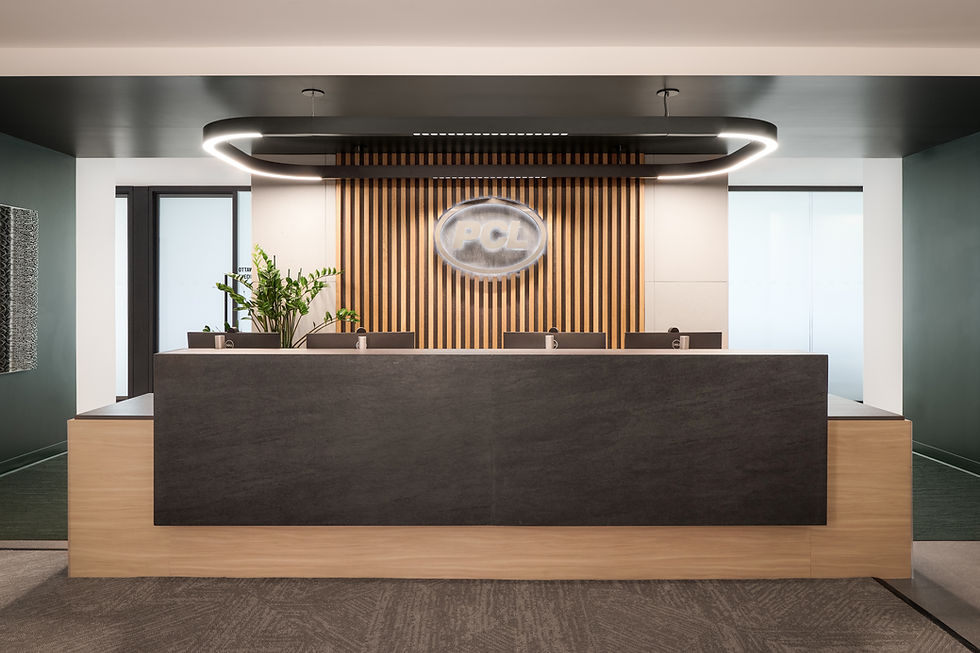
Transforming PCL’s Ottawa office into a new, flexible, design-driven workspace required careful structural planning. Entuitive partnered with PCL on the project to ensure the space achieved both the architectural vision and long-term performance needs.
We spoke with Greg Woltman, an Associate in our Ottawa office, and Richard Lea-Cox, Project Manager at PCL, about the unique project and the collaborative approach that shaped the final design.
Can you tell us about the structural services Entuitive provided on the project and share any collaborators we worked with?
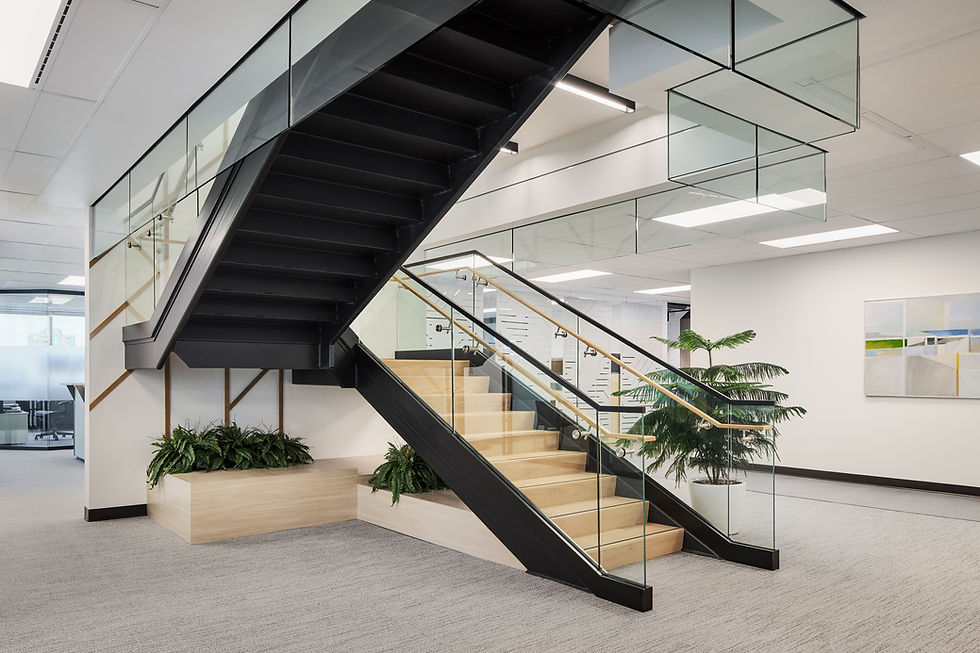
Greg Woltman: Entuitive was engaged to provide structural engineering services for PCL’s new Ottawa office fit-up, which spanned multiple floors of the building. Our primary scope included the design and reinforcement of a central feature stair, which required cutting a significant opening in the existing concrete floor slab. We were responsible for both designing the stair framing and strengthening the slab around the opening to maintain structural integrity.
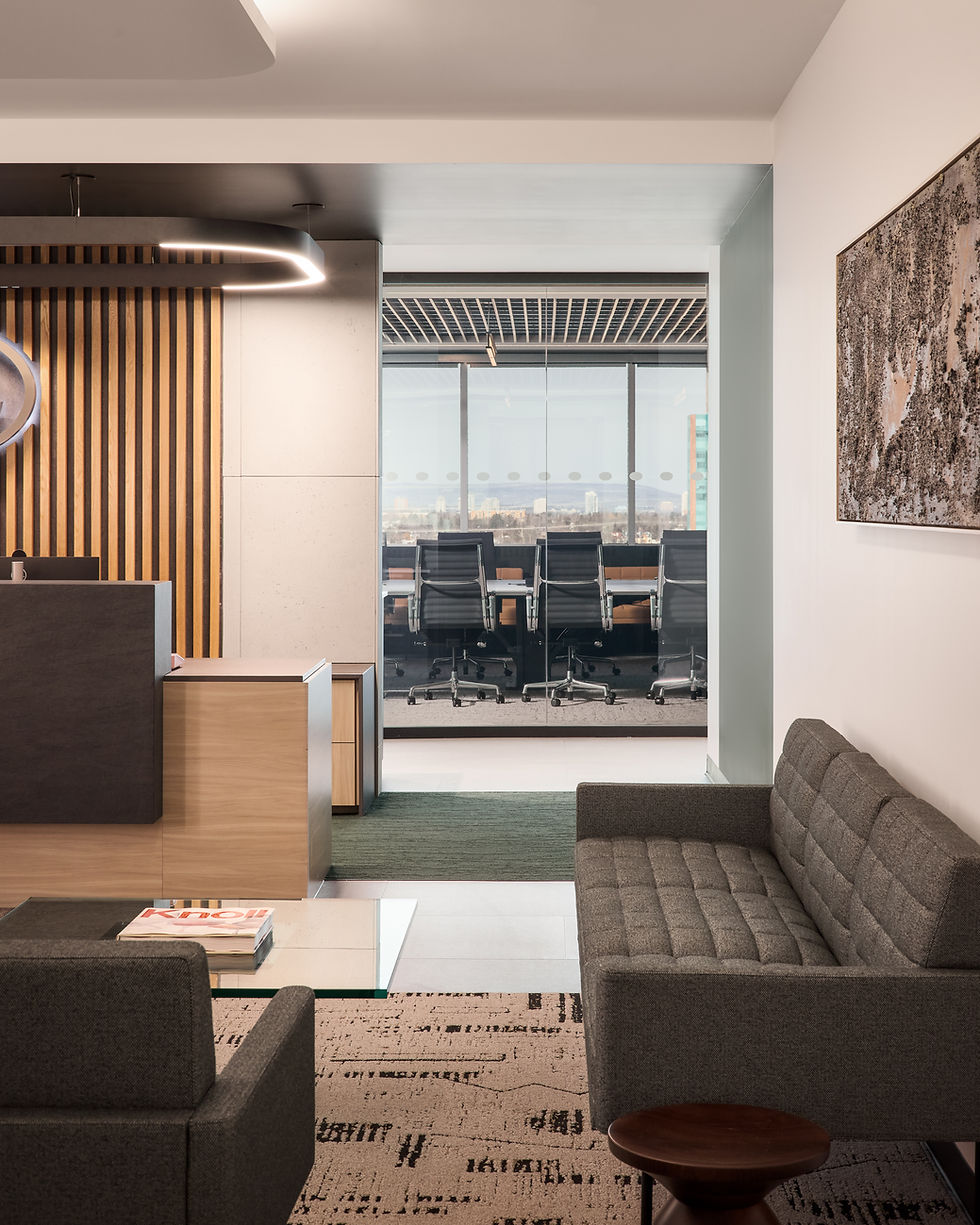
Beyond the stairs, our team also provided structural support for a folding partition in the boardroom and completed coring reviews throughout the space. Later, we expanded our scope to include rooftop reviews for the replacement of mechanical equipment. While these elements were diverse, they all required careful coordination to ensure the existing structure could accommodate the new loads without unnecessary intervention.
Collaboration was a major factor in the project’s success. We worked closely with 4té, the interior design team, who were involved early in the process and helped shape an efficient structural approach that aligned with the architectural vision. We also collaborated with Lemire, the stair fabricator, to coordinate the detailing of the stair and integrate the glass railings seamlessly into the final design. From PCL’s perspective, how did early collaboration influence the outcome of the project, particularly around the feature staircase?
Richard Lea-Cox: Early collaboration was essential in helping us meet our occupancy timelines. Entuitive’s responsiveness throughout the process—particularly with design turnaround, site reviews during construction, and timely shop drawing reviews—kept the project moving efficiently. That level of coordination ensured a smooth workflow and ultimately contributed to the successful and timely completion of the space.
What were some of the technical challenges the team needed to address?
Greg: One of the main challenges was achieving the architectural vision without introducing large, intrusive structural elements such as heavy steel beams. From the start, we wanted to keep the structural intervention as minimal as possible while still delivering a safe and robust solution.
Early coordination with 4té allowed us to explore different options for the stair layout and slab opening before construction began. This led to the use of carbon‑fibre‑reinforced polymer (CFRP) strips to strengthen the slab around the stair opening. Compared to traditional steel solutions, this approach was far less disruptive, required a limited amount of on-site work, and helped keep the project cost-effective.
Another critical consideration was vibration performance. Because the stair is located within an open-office environment, it was essential that it felt solid and free of noticeable movement. We completed a detailed vibration analysis to ensure the stairs would perform well under daily use, avoiding any “bounce” or resonance that could be distracting to occupants.
From a project management standpoint, how did Entuitive’s approach to minimizing structural intervention support budget and schedule goals?
Richard: Budget is always a hot topic, and Entuitive brought a thoughtful and creative approach. Their focus on constructability, combined with innovative solutions like CFRP, helped reduce both overall costs and installation time. This approach not only delivered efficiencies but also supported the project schedule, which worked strongly in our favour.
What considerations were made when future‑proofing the stair?
Greg: Future-proofing was an important part of the design process. The stair was intentionally designed to be expandable, allowing for a potential extension to additional floors if PCL decides to modify or grow the space in the future.
To support this flexibility, all structural supports were kept outside the stair footprint, and no supports were placed beneath the stair itself. This means that any future expansion can be accommodated without major structural rework or disruption to the existing office. The result is a solution that not only meets today’s needs but also allows the space to evolve over time.
How valuable is flexibility for PCL as you plan for the future of the workspace?
Richard: As a rapidly growing organization, having flexibility within our workspace is a significant advantage. The ability to expand the staircase in the future without major disruption adds long-term value to the design. Equally important is that this can be achieved with minimal impact to daily operations, allowing us to continue working seamlessly as our needs evolve.
Looking back on the project, what was the most rewarding aspect for you?
Greg: One of the most rewarding aspects of the project was growing this part of Entuitive’s well-established relationship with PCL, as this was our first major collaboration with them in the Ottawa market. Having worked with PCL previously in my career, it was also meaningful to deliver this project on behalf of Entuitive and help establish trust in a new market.
It felt like a real vote of confidence from PCL, a market leader, and we were proud to put our best foot forward. The project allowed us to demonstrate our collaborative approach, technical expertise, and ability to deliver efficient, design-driven solutions. It also set a strong foundation for future work with PCL in the region.
This was the first major collaboration between PCL and Entuitive in the Ottawa market. As this partnership continues, what stood out to you about working with the Entuitive team?
Richard: We established a strong, collaborative working relationship with the Entuitive team from the very beginning. Their proactive communication and team-oriented approach were key contributors to the project’s success. As our partnership continues to grow, bringing that same level of collaboration to future projects will be a significant advantage for both teams and, ultimately, for our clients.
Thank you to Greg and Richard for sharing their insights on this collaborative project. The PCL Ottawa office is a strong example of how early coordination and thoughtful engineering can support both design intent and long-term performance.